Dock 04Rotterdam
Waybill
Guide
Sea, air or rail from Asia: which one for which load
36 days, 16 days or 3. The rate is the smaller part of the sum; the stock you cannot sell yet is the larger.
20 Aug 2026 · 4 min read
Guide
Sea, air or rail from Asia: which one for which load
36 days, 16 days or 3. The rate is the smaller part of the sum; the stock you cannot sell yet is the larger.
20 Aug 2026 · 4 min read
Guide
Sea, air or rail from Asia: which one for which load
36 days, 16 days or 3. The rate is the smaller part of the sum; the stock you cannot sell yet is the larger.
20 Aug 2026 · 4 min read
36 days, 16 days or 3. The rate is the smaller part of the sum; the stock you cannot sell yet is the larger.
Between Asia and Europe there are three ways to move a container's worth of goods, and the right one depends on what a day of delay costs you. The freight rate is the smaller part of the sum. The stock you have paid for and cannot sell yet is the larger.
Sea
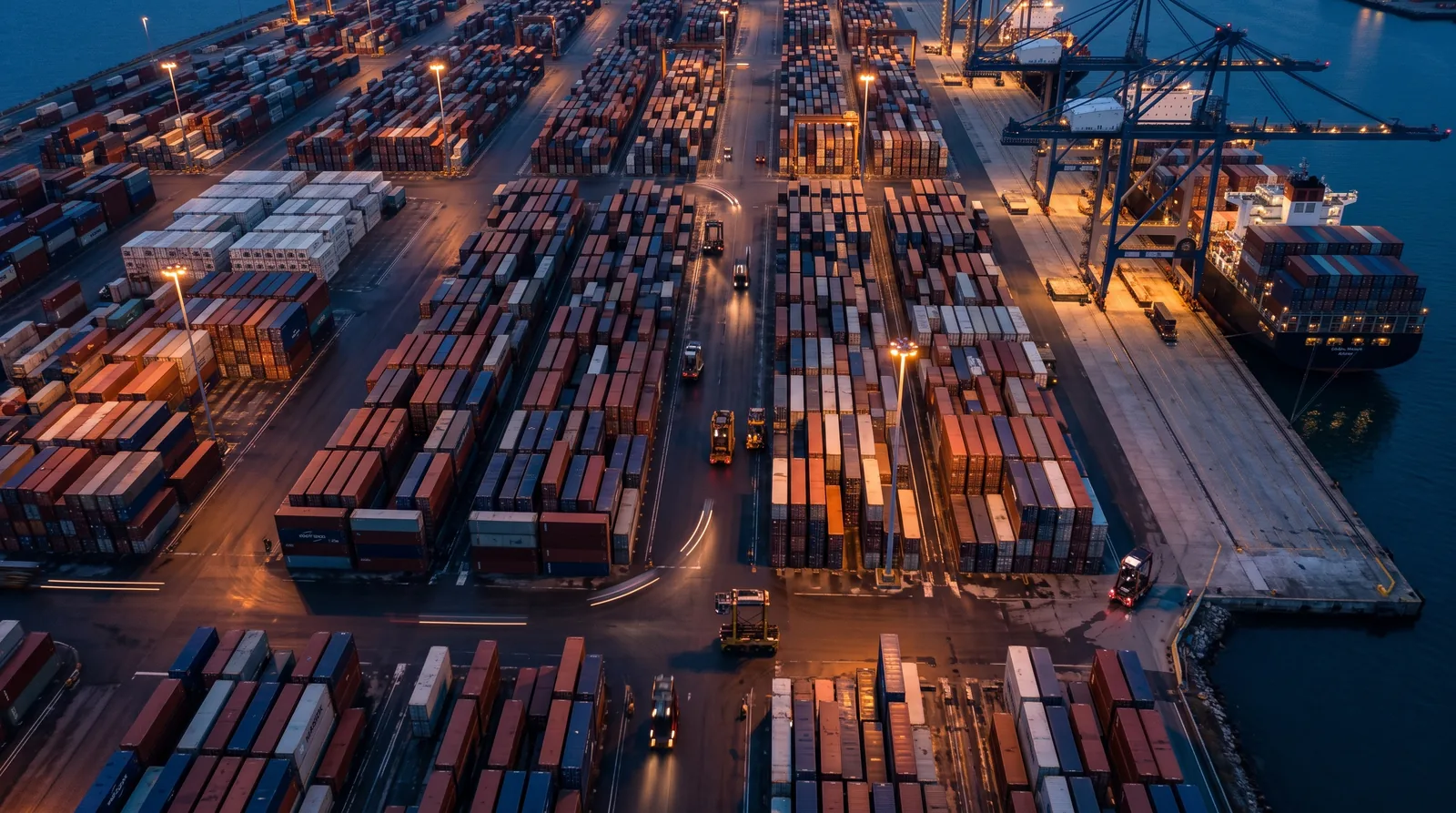
A ship takes 24 to 32 days port to port, and about 36 door to door. It is by far the cheapest per kilo and suits anything planned months ahead: furniture, seasonal ranges, raw materials. Its weakness is not speed but variation, since a sailing that is rolled adds a week at a stroke.
Rail
The train reaches Europe in around 16 days and costs roughly twice the sea rate, which is still a fraction of air. It fits goods with a middling value and a fixed date, such as electronics accessories, car parts and a fashion range that missed its vessel. Capacity is limited, so space is booked two to three weeks ahead.
Air
One to three days, at five to eight times the cost of rail. Use it for goods that are light, valuable or urgent: spare parts for a stopped machine, medicines, the first thousand units of a launch. Air freight is charged on volume as well as weight, so a large light carton can cost more than a small heavy one.
- Work out the cost of stock in transit: value × days × your cost of capital
- Split a shipment: the first tenth by air, the rest by sea
- Ask for the emissions figure; rail is about a quarter of road and far below air
The fast mode is rarely needed for the whole order. It is needed for the part that is late.
A simple rule
If the goods are worth less than about £4 a kilo, send them by sea. Above £40 a kilo, air usually pays for itself. In between, ask us for a rail quote before you decide.

Written byAmara OkaforHead of customs, Waybill
Pass it down the line

36 days, 16 days or 3. The rate is the smaller part of the sum; the stock you cannot sell yet is the larger.
Between Asia and Europe there are three ways to move a container's worth of goods, and the right one depends on what a day of delay costs you. The freight rate is the smaller part of the sum. The stock you have paid for and cannot sell yet is the larger.
Sea
A ship takes 24 to 32 days port to port, and about 36 door to door. It is by far the cheapest per kilo and suits anything planned months ahead: furniture, seasonal ranges, raw materials. Its weakness is not speed but variation, since a sailing that is rolled adds a week at a stroke.
Rail
The train reaches Europe in around 16 days and costs roughly twice the sea rate, which is still a fraction of air. It fits goods with a middling value and a fixed date, such as electronics accessories, car parts and a fashion range that missed its vessel. Capacity is limited, so space is booked two to three weeks ahead.
Air
One to three days, at five to eight times the cost of rail. Use it for goods that are light, valuable or urgent: spare parts for a stopped machine, medicines, the first thousand units of a launch. Air freight is charged on volume as well as weight, so a large light carton can cost more than a small heavy one.
- Work out the cost of stock in transit: value × days × your cost of capital
- Split a shipment: the first tenth by air, the rest by sea
- Ask for the emissions figure; rail is about a quarter of road and far below air
The fast mode is rarely needed for the whole order. It is needed for the part that is late.
A simple rule
If the goods are worth less than about £4 a kilo, send them by sea. Above £40 a kilo, air usually pays for itself. In between, ask us for a rail quote before you decide.
Written byAmara OkaforHead of customs, Waybill
Pass it down the line